Skip to content

Blog

small business websites

Why a Facebook Page is Not a Substitute for a Website

Web design g0095d4467 1920
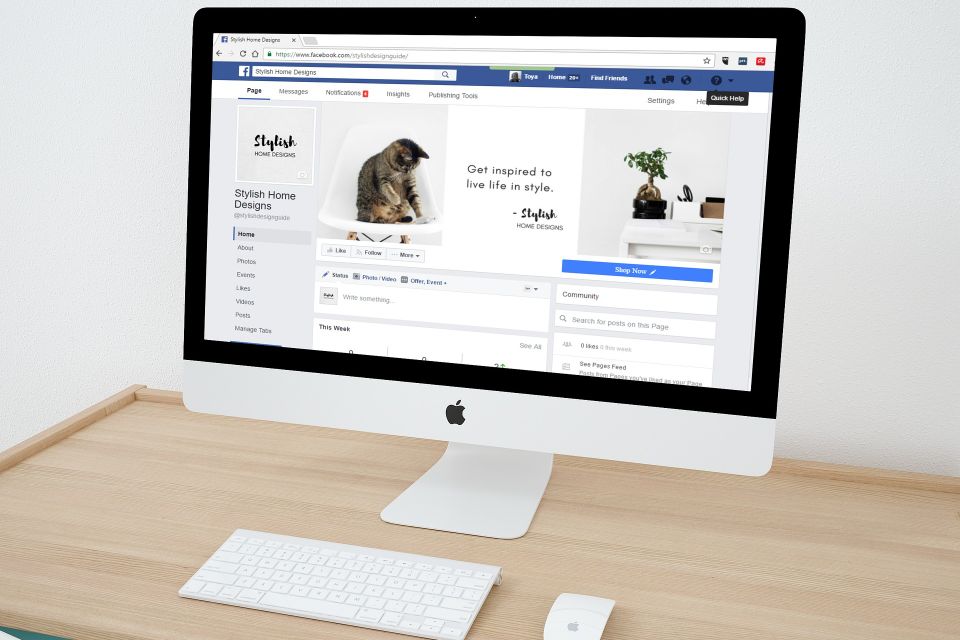
When it comes to promoting and representing your small business online, it's important to have a strong, professional presence. Many businesses today turn to social media platforms, like Facebook, to create that presence. However, using a Facebook page as your primary or only online presence can be a huge mistake.

Continue Reading >

7 Signs You Need a New Website for Your Business

Signs you need a website
Web design might sometimes seem like an unnecessary expense for some small business owners. In fact, it's quite the opposite. User habits and Google search algorithms change regularly. You're missing out on valuable traffic (and potential customers)  if you're not consistently modernizing your website.

Continue Reading >

Why DIY Site Builders are Bad for Small Businesses

Diy website builders bad for business
Do you need to build a website for your small business and are considering building one yourself? Unfortunately, many people think that it's something that they can build on their own. Only after making a low-quality website do they realize that they would have been better off leaving it to the professionals.

Continue Reading >

8 Things Every Small Business Website Needs

Things every small business website needs
If you run a small business, no matter what it is that you do, or where you’re located, you need a website. Small business websites are crucial for online visibility, branding, and driving sales, but only if you've got good web design.

Continue Reading >

7 Reasons Why Small Business Websites Are Vital

Domenico loia hgv2tfoh0ns unsplash
A website is a vital component to a small businesses’ success. However not an website will do. About one in five small business websites struggle to generate traffic to their website. Meanwhile, 57% of users won't recommend a company with a poor mobile web design. If your website doesn't offer a positive experience, you could lose potential customers.

Continue Reading >

Website Traffic Stats Explained

Website traffic stats
There are over 5.07 billion daily Internet users in the world, so there's a large base of potential customers you can reach with your website. But before you can tap into that potential, you need to know whether your website is capable of attracting those visitors. Your website traffic stats are a good place to start.

Continue Reading >
Getting your business seen by people nearby is a big deal, right? If you're not showing up when someone searches for what you do in your town, you're likely missing out. That's where local SEO comes in. It's all about making sure your business pops up when local customers are looking. We're going to talk about some solid ways to make that happen, using a good local SEO service can really make a difference. Think of it as helping the right people find you, right when they need you.
Key Takeaways
  • A good local SEO service helps you get found by customers searching in your area.
  • Making sure your business info is correct everywhere online is super important.
  • Customer reviews matter a lot for showing you're a trustworthy business.
  • Your website needs to work well on phones, not just computers.
  • You need to know what local terms people are actually typing into search engines.
Mastering Local Search Engine Optimization Strategies
 
Getting your business noticed by people nearby is what local SEO is all about. It's not just about showing up online; it's about showing up when someone in your town or neighborhood is looking for what you offer. Think of it as putting up a big, bright sign right where your potential customers are walking by.
Understanding the Backbone of Local SEO Services
At its core, local SEO is about making sure your business appears in search results for people searching in a specific geographic area. This means search engines like Google need to know who you are, where you are, and what you do. It's a mix of technical stuff and making sure your business information is correct everywhere online. The goal is to be the most relevant and trustworthy option when someone searches locally.
  • Google Business Profile: This is your digital storefront on Google. Keeping it updated with accurate hours, photos, and services is a must.
  • Local Citations: These are mentions of your business name, address, and phone number (NAP) on other websites, like directories.
  • Reviews: What people say about your business online matters a lot.
  • On-Page Optimization: Making your website speak the language of local search.
Local SEO isn't a one-time fix; it's an ongoing effort. Think of it like tending a garden – you need to water it, weed it, and give it sunlight regularly to see it grow.
Leveraging Proven Local SEO Solutions for Area Dominance
To really stand out, you need to use strategies that work. This isn't about guessing; it's about using tried-and-true methods. We're talking about making your website work harder for you and ensuring your business information is consistent everywhere.
  • Keyword Research: Finding out what terms local customers actually type into search engines.
  • Content Creation: Writing blog posts or pages that answer local questions and use those keywords naturally.
  • Link Building: Getting other local websites to link back to yours, showing search engines you're a part of the community.
Connecting with Local Search Optimization Experts
Sometimes, you just need a little help. Local SEO can get complicated, and that's where experts come in. They've seen what works and what doesn't, and they can help you avoid common pitfalls. Hiring someone who knows the ins and outs can save you time and money in the long run, and get you better results faster. They can help you put together a plan that fits your specific business and local market.
Enhancing Local Visibility and Authority
Getting your business seen by the right people in your area is the name of the game with local SEO. It's not just about showing up; it's about showing up when it counts and being seen as the go-to option. This section looks at how to build that presence and become a trusted name locally.
Building Authority with Technical SEO Strategies
Technical SEO might sound complicated, but for local businesses, it's about making sure search engines can easily find, understand, and trust your website. Think of it as laying a solid foundation. When your site's technical aspects are in order, it signals to Google and other search engines that you're a legitimate business. This includes things like making sure your website loads quickly, works well on phones, and has a clear structure. A well-optimized site helps search engines rank you higher, especially for local searches.
  • Consistent NAP Information: Your business name, address, and phone number (NAP) need to be exactly the same everywhere online – your website, Google Business Profile, and any online directories. Inconsistencies can confuse search engines and hurt your rankings.
  • Website Speed: Slow websites frustrate users and search engines alike. Aim for fast loading times, especially on mobile.
  • Mobile-Friendliness: With so many people searching on their phones, your site must look and work great on smaller screens.
  • Schema Markup: This is code that helps search engines understand the content on your pages better, like your business hours or services.
A technically sound website is the bedrock of local authority. Without it, even the best content and marketing efforts can fall flat because search engines simply can't process your information effectively.
Achieving Higher Local Visibility Through On-Page Optimization
On-page optimization is all about making your website content work harder for local searches. This means using keywords that people in your area actually search for and making sure your content directly answers their questions. It's about being relevant to your local audience. When someone searches for "plumber near me" or "best pizza in [your town]", you want your business to pop up.
  • Location-Specific Keywords: Identify terms people use when looking for your services in your specific town or neighborhood. For example, instead of just "bakery," think "artisan bakery downtown [city name]."
  • Optimized Title Tags and Meta Descriptions: These are the first things people see in search results. Make them clear, compelling, and include your target keywords and location.
  • Local Content Creation: Write blog posts or create pages about local events, news, or topics relevant to your community and services. This shows you're connected to the area.
Integrating Google Maps for Enhanced Local Relevance
Google Maps is a huge part of local search. When people search for businesses nearby, Google often shows a map pack with local businesses. Having a well-optimized Google Business Profile (GBP) is key to appearing in this map pack. It's like your digital storefront on Google.
  • Complete Your Google Business Profile: Fill out every section accurately and thoroughly. Include your services, hours, photos, and a link to your website.
  • Encourage and Respond to Reviews: Positive reviews on your GBP are a major ranking factor and build trust. Make sure to respond to all reviews, good or bad.
  • Use Google Posts: Share updates, offers, or events directly on your GBP. This keeps your profile active and gives users more reasons to engage.
The goal is to make it as easy as possible for local customers to find you, trust you, and choose you over the competition.
Driving Growth Through Targeted Local SEO Campaigns
So, you've got a business, and you want more local customers walking through your door or clicking that 'buy now' button. That's where smart, targeted local SEO campaigns come in. It's not just about showing up online; it's about showing up for the right people at the right time. Think of it like setting up shop in a busy town square, but online. You want to be right where potential customers are looking, with a message that speaks directly to them.
Crafting Customized Local SEO Campaigns for Business Goals
Every business is different, right? What works for a local bakery might not work for a plumbing service. That's why cookie-cutter approaches just don't cut it. We need to build campaigns that are specifically designed for your business goals. Are you trying to get more people to call you? Visit your store? Book an appointment? We figure that out first. Then, we build a plan around it.
  • Define Clear Objectives: What does success look like? More calls? More in-store visits? Higher online orders?
  • Identify Your Ideal Customer: Who are you trying to reach in your local area? What are their needs and search habits?
  • Map Out the Customer Journey: How do local customers find businesses like yours? What information do they need at each step?
Optimizing Local Listings for Maximum Search Visibility
Your local listings, especially your Google Business Profile, are like your digital storefront. If they're messy or incomplete, people might just walk on by. We make sure all your information – your business name, address, phone number (NAP), hours, services – is accurate and consistent everywhere online. This helps search engines trust your business and show it to more local searchers.
Getting your NAP details right across all directories is a foundational step. It might seem small, but inconsistencies here can really confuse search engines and potential customers alike. Think of it as making sure your address is spelled correctly on every flyer you hand out.
Attracting More Local Customers with Resonant Campaigns
Once the foundation is set, we create campaigns that really connect. This means developing content that speaks directly to local search queries. If people in your town are searching for "best pizza near me" or "emergency roof repair," we want your business to pop up. We also look at things like:
  • Local Content Creation: Writing blog posts or service pages that mention local landmarks, events, or specific neighborhood needs.
  • Review Management: Encouraging happy customers to leave reviews and responding to all feedback, good or bad.
  • Local Link Building: Getting links from other reputable local websites, like community news sites or business associations.
The goal is to be the obvious choice when someone nearby needs what you offer.
Building a Strong Online Reputation
Your online reputation is a big deal for local businesses. Think about it: when you're looking for a new restaurant or a plumber, what's one of the first things you check? Probably reviews, right? That's exactly what potential customers are doing with your business.
Leveraging Customer Reviews for Increased Visibility
Customer reviews are basically word-of-mouth for the digital age. Good reviews act like a stamp of approval, telling people your business is reliable. On the flip side, a lot of bad reviews, or even just a few, can make people click away to a competitor. It's not just about trust, though. Google notices reviews. The number and quality of reviews you have play a part in where your business shows up in local search results, especially in that map pack everyone looks at. So, getting good reviews isn't just a nice-to-have; it's pretty important for getting seen.
  • Quantity Matters: More reviews generally mean more visibility.
  • Quality is Key: Positive feedback helps build trust.
  • Recency Counts: Newer reviews are often seen as more relevant.
Managing Online Reputation and Addressing Feedback
Keeping your online presence looking good means more than just collecting reviews. You've got to manage them. This means responding to feedback, both good and bad. Tools can help aggregate reviews from different sites like Google, Yelp, and Facebook into one place. This makes it easier to keep track and respond.
When responding:
  • Be Quick: A fast response shows you care.
  • Be Personal: Use the reviewer's name and mention specifics.
  • Stay Calm: Especially with negative feedback, keep it professional.
  • Take it Offline: For tricky issues, invite them to contact you directly.
Regularly checking and responding to reviews shows potential customers that you're engaged and value their input. It's an ongoing conversation, not a one-time task.
Cultivating Trust Through Positive Customer Experiences
Ultimately, a strong online reputation comes down to the actual experience customers have with your business. Happy customers are more likely to leave positive reviews, share their experiences on social media, and even recommend you to others. This creates a positive cycle that builds trust and attracts more business. Think about how you can make every customer interaction a good one, from the first phone call to the final service. That's the foundation of a great reputation.
Optimizing for Local Search Intent
When people search for something locally, they usually have a specific goal in mind. They're not just browsing; they're looking for a solution right now. Understanding what they really want when they type something into Google is key to showing up for them. It's about getting inside their heads and figuring out their needs.
Identifying Target Location-Based Keywords
This is where you figure out the exact words and phrases your potential customers use when looking for businesses like yours in your area. Think about it from their perspective. Someone needing a plumber might search for "plumber near me," "emergency plumbing [your town name]," or even "fix leaky faucet [your neighborhood]." The goal is to find those specific terms that signal a clear local need. You can use tools like Google Keyword Planner or even just type common searches into Google yourself (try incognito mode!) to see what pops up. Pay attention to the "People also ask" section and related searches at the bottom of the results page. These can give you great ideas.
Here's a quick way to brainstorm:
  • What problem do you solve? (e.g., "car repair," "pizza delivery")
  • Where are your customers? (e.g., "[city name]," "[neighborhood]," "near downtown")
  • What specific service or product are they looking for? (e.g., "oil change," "gluten-free pizza")
  • What modifiers might they use? (e.g., "best," "cheap," "24-hour")
Combining these can lead to keywords like "best cheap car repair downtown [your city name]."
Creating Content That Answers Local Search Queries
Once you know the keywords, you need to create content that directly addresses them. If people are searching for "best coffee shops in [your town]," your website should have a page or blog post talking about why your coffee shop is the best in town. Mention local landmarks, community events you're involved in, or unique aspects of your neighborhood. This shows Google and potential customers that you're a genuine part of the local scene. It's not just about stuffing keywords; it's about providing helpful, relevant information that satisfies the searcher's intent. Think about what questions a local customer might have and answer them clearly on your site.
Local search is all about relevance and proximity. When someone searches for a service, they want to know if a business is nearby and if it can meet their specific needs. Your website content should make this information obvious and easy to find.
Appearing in Local Searches at Critical Buying Moments
This means being visible when someone is ready to make a decision. For example, if it's lunchtime and someone searches for "restaurants near me," you want your restaurant to be one of the first results they see. This often involves optimizing your Google Business Profile, ensuring your NAP (Name, Address, Phone number) is consistent everywhere online, and getting positive customer reviews. It's about being present and easily discoverable at the exact moment a potential customer is looking to buy. Think about the journey a local customer takes – from realizing they have a need to actively searching for a solution. You want to be there at that final, critical stage.
Measuring and Reporting Local SEO Success
So, you've put in the work, tweaked your website, and optimized your listings. That's great! But how do you know if any of it is actually working? That's where measuring and reporting come in. It's not just about doing the SEO; it's about seeing the results and knowing what to do next.
Analyzing Visitor Behavior for Strategy Refinement
Understanding how people interact with your website is key. Are they finding what they need? Are they sticking around, or bouncing off after a few seconds? Tools like Google Analytics can show you things like how long people stay on your pages, which pages they visit most, and where they drop off. This information helps us figure out what's working and what's not, so we can make your site even better for local searchers.
We look at things like:
  • Traffic Sources: Where are your visitors coming from? Are they clicking through from Google Maps, organic search, or somewhere else?
  • User Flow: What path do visitors take once they land on your site? Do they go straight to your contact page, or do they browse your services first?
  • Conversion Rates: Are visitors taking the actions you want them to, like filling out a contact form, calling your business, or making a purchase?
Providing Monthly Reports on SEO Progress
We believe in keeping things clear. That's why we send out regular reports, usually every month. These aren't just a bunch of numbers; they're designed to show you the real impact of our local SEO efforts. We break down your website's performance, focusing on the metrics that matter most for local businesses.
Your report will typically include:
  • Keyword Rankings: How your site is performing for important local search terms.
  • Website Traffic: An overview of how many people are visiting your site and where they're coming from.
  • Google Business Profile Insights: Data on how your profile is being seen and interacted with.
  • Lead Generation: Information on how many potential customers are reaching out.
Tracking your progress isn't just about looking back; it's about looking forward. These reports help us identify trends and make smart adjustments to keep your local SEO moving in the right direction.
Tracking Return on Investment for Local SEO Efforts
Ultimately, you want to know if your investment in local SEO is paying off. We help you see the tangible benefits. This means looking at how our work translates into actual business results, like more phone calls, more in-store visits, or more online sales. By connecting our SEO activities to your business goals, we can demonstrate the real value and help you understand the return on your investment. We aim to show you that local SEO isn't just an expense; it's a growth strategy.
The Importance of a Mobile-First Approach
 
These days, most people do a lot of their searching on their phones. Seriously, think about how often you pull out your phone to look something up. Because of this, search engines like Google have started looking at websites from a mobile perspective first. This means that even if your desktop site looks great, if the mobile version isn't up to par, it can hurt your search ranking. Your website absolutely needs to work well on phones and tablets. It's not just a nice-to-have anymore; it's pretty much a requirement if you want to be found locally.
Ensuring Website Responsiveness Across Devices
Making sure your website looks good and works right on any screen size is called responsive design. It's like a chameleon; it adjusts itself to fit the device it's being viewed on. This is super important because people use all sorts of phones and tablets, and they expect a smooth experience no matter what.
  • Responsive Design: Use website builders or themes that are built to be responsive. This way, you don't have to build separate sites for different devices.
  • Test, Test, Test: Actually use your website on different phones and tablets. Click around, fill out forms, and see if anything looks weird or doesn't work.
  • Check Navigation: Make sure menus are easy to tap and buttons are large enough to press without accidentally hitting something else.
Optimizing Content and Images for Mobile Loading Speeds
Nobody likes waiting for a page to load, especially on a mobile connection. Slow loading times can make people leave your site before they even see what you offer. This is where optimizing your content and images comes in.
  • Image Size: Big image files are a common culprit for slow loading. Resize them to be smaller without losing too much quality. Tools can help with this.
  • File Types: Use modern image formats like WebP if possible, as they often load faster.
  • Content Formatting: Break up long blocks of text with headings and bullet points. This makes it easier to read on a small screen and can also help pages load a bit quicker.
When people search for local businesses, they often need information now. A slow or clunky mobile site can mean they just go to the next business on the search results page. Speed and ease of use are key.
Testing Website Functionality on Various Mobile Screens
Once you've made changes, you can't just assume they work. You need to actively test them. This means going beyond just looking at your own phone. Try different operating systems (iOS, Android) and different screen sizes if you can get your hands on them. Check things like:
  • Contact forms: Do they submit correctly?
  • Click-to-call buttons: Do they actually dial the number?
  • Image galleries: Do they display properly?
  • Maps: Are they interactive and easy to use?
Getting this right means a better experience for your potential customers, which can lead to more calls, more visits, and ultimately, more business.
Putting It All Together
So, we've talked about a bunch of ways to get your business noticed locally online. It might seem like a lot, but remember, it's not about doing everything perfectly overnight. Start with what makes the most sense for your business right now. Whether it's making sure your Google Business Profile is up-to-date, getting more customer reviews, or just making your website work better on phones, every little bit helps. Local SEO is a marathon, not a sprint, but putting these strategies into practice will definitely help more local customers find you when they need you. Keep at it, and you'll start seeing the difference.
Frequently Asked Questions
What exactly is local SEO and why is it important for my business?
Local SEO is like making your business super easy to find when people nearby search for things you offer online. Think of it as putting up a big, bright sign on the internet right where your local customers are looking. It helps your business show up higher in search results when someone searches for 'plumber near me' or 'best pizza downtown'.
How do local SEO services help my business get noticed?
These services use special tricks to make sure your business appears at the top of search results for local searches. They help fix up your online listings, make your website work better on phones, and get good reviews, all so more local customers can find and choose you.
Will local SEO really help me get more customers?
Absolutely! When your business shows up when local people are actively searching for what you sell, they're much more likely to visit or call. It's about connecting with people who are already looking for you right in your neighborhood.
How long does it usually take to see results from local SEO?
It's not an overnight thing, kind of like growing a garden. Typically, you'll start seeing good changes within 3 to 6 months. The more you stick with it and keep things updated, the better your business will perform over time.
What's the deal with Google Maps and local SEO?
Google Maps is a huge part of local search! When people search locally, Google often shows a map with nearby businesses. Local SEO helps make sure your business is listed correctly and looks good on that map, making it super easy for people to find your location and get directions.
How important are customer reviews for local SEO?
Customer reviews are super important! They're like digital word-of-mouth. Good reviews show search engines that your business is trustworthy and liked by customers. This helps you rank higher and makes new customers feel more confident choosing you.

GET YOUR FREE WEBSITE MOCKUP

Interesting in seeing how your new website can look? Contact us today to request your FREE no-obligation website mockup.
Get Started Now